What the UKGC rules actually do to your Chicken Road 2 session
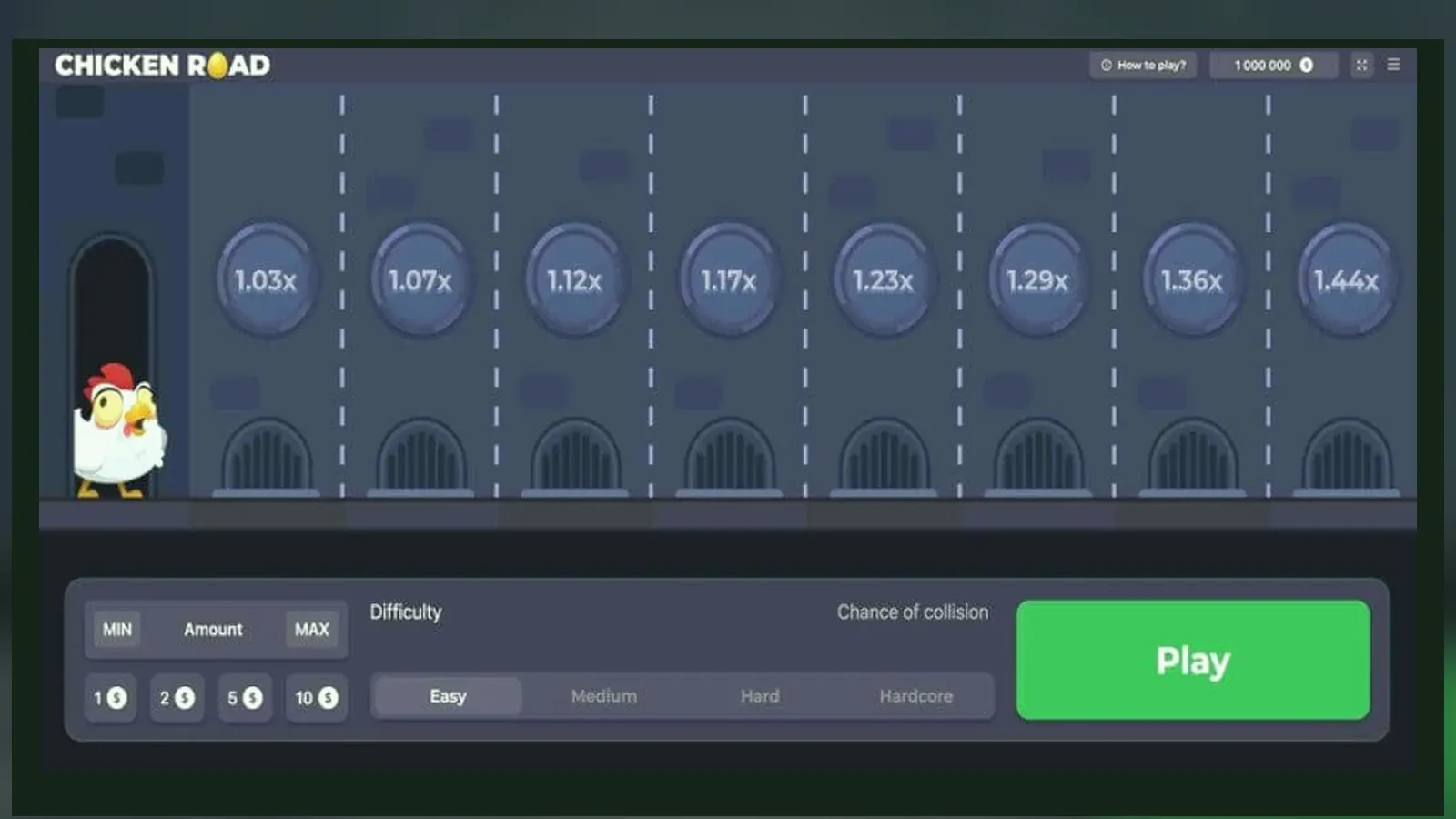
Here's what nobody tells you up front: Chicken Road 2 is a crash-style grid game where you pick tiles and hope the hidden bomb doesn't end your round. The maths is simple—higher multipliers, lower odds—but the UK market adds three friction points that change how you play it.
First, if you're 18–24, the £2 stake cap per round means you'll never see the high-tier multipliers pay enough to matter unless you grind dozens of rounds. Second, affordability checks kick in at £150 net deposits a month, so if you fund aggressively early on, expect your account to be paused for credit-reference checks. Third, your first withdrawal will take 24–48 hours for document review, and that's assuming you uploaded ID and a bank statement before you tried to cash out. This review scores the game on six criteria, explains what the numbers mean in a real session with a £50 bankroll, and tells you when to pick one of the alternatives instead.
Scores: where Chicken Road 2 lands on six fronts
Every score reflects how the mechanic or design choice plays out in a typical UK session, accounting for stake caps and the local bonus landscape.
Maths & fairness: 7/10. The RTP sits around 97–98% depending on your cash-out strategy, and the provably-fair hash chain lets you verify each round. The problem is the grid size and bomb placement—once you've opened four or five tiles, the odds compress fast, so most players cash out early and never see the headline multipliers. It's transparent, but the practical range is narrower than the marketing suggests.
Bonus-round depth: 4/10. There's no separate feature or free-spins equivalent; every round is the same pick-and-reveal loop. Some operators layer a site-wide promotion on top—usually a loss-back or a weekend leaderboard—but the game itself offers no built-in bonus mode. If you want variety mid-session, you'll need to switch titles.
Pace & session length: 8/10. Each round lasts 10–30 seconds depending on how cautious you are, so you can fit 20–30 rounds into ten minutes. The £2 or £5 cap per spin means your bankroll depletes slower than on uncapped crash games, which is good for stretching a small deposit but bad if you want the adrenaline spike of a single big bet.
Mobile experience: 9/10. The game runs as a web app in mobile browsers—no separate download, no APK hunt. The grid tiles are large enough to tap without mis-clicks, and the multiplier ladder sits cleanly at the side. The only friction point is KYC: if you're verifying documents on a phone, upload a high-resolution photo or the automated check will reject it and add a day to your first withdrawal.
Visual design: 6/10. The interface is clean—grid, ladder, cash-out button—but the theme is generic: cartoon chicken, bright colours, no narrative hook. It does the job, but if you're used to slots with animated characters or evolving backdrops, this will feel flat.
Bonus-friendliness: 5/10. Most UKGC-licensed welcome offers exclude crash and instant-win games from wager contribution, or cap the stake at £2 even if you're over 25. If the bonus does allow it, expect a 40× to 50× wager and a maximum win cap of £500 to £1,000. The quick rounds help you clear volume fast, but the low per-round stake means you'll need a long session to hit the target. Always check the operator's bonus terms—assume exclusion unless the small print says otherwise.
Small-bankroll value: 7/10. A £20 deposit at £0.50 or £1.00 per round gives you 20–40 attempts, which is enough to feel out the game's rhythm and see a few small multipliers. The stake caps prevent you from blowing the lot in three spins, but they also mean a single lucky round won't double your balance unless you've been grinding wins. It's a controlled burn, not a high-risk lottery ticket.
What a real £50 session looks like under UKGC rules
You fund £50 via Faster Payments or PayPal—credit cards have been banned for gambling since 2020, so it's debit or e-wallet only. If this is your first deposit, the operator will run an age and identity check before you can play; most sites use a credit-reference agency lookup, which takes seconds. If you're under 25, your stake is hard-capped at £2.00 per round site-wide. If you're 25 or older, the cap is £5.00.
You start at £1.00 per round to stretch the bankroll. Each round, you pick tiles one by one; the multiplier climbs with each safe reveal, but if you hit the bomb, the round ends and you lose the stake. Most players cash out after three or four tiles—say, a 2× or 3× multiplier—because the odds of hitting the bomb jump sharply after that. Over 30 rounds at £1.00, you might see 15 small wins (£2–£4), 10 losses, and 5 break-evens. Your balance drifts between £45 and £60.
Now you raise the stake to £2.00 to test a deeper run. You open five tiles and cash out at 6.5×, banking £13. Two rounds later, you hit the bomb on the second tile and lose £2. The session lasts 40 minutes; you finish at £58. You request a withdrawal. Because it's your first cash-out, the operator asks for a photo ID and a bank statement or utility bill dated within three months. You upload both, and the KYC team reviews them within 24–48 hours. Once approved, the money arrives via Faster Payments in one working day. Total time from request to bank account: two to three days.
Bonuses: why most UK offers shut you out
The majority of UKGC-licensed welcome bonuses—deposit-match deals, no-wager spins, first-bet insurance—exclude crash games and grid-style instant wins from wager contribution. Even when the bonus terms allow it, the per-spin stake is often capped at £2.00 regardless of your age, and the maximum win from bonus funds is usually £500 to £1,000.
Here's a worked example: you claim a 100% match up to £50 with a 40× wager. You deposit £50, receive £50 bonus, and need to wager £2,000 (40 × £50). If Chicken Road 2 contributes 10% per round, you'd need to wager £20,000 in total game volume to clear it. At £1.00 per round, that's 20,000 rounds—impractical. If the game contributes 100%, you'd still need 2,000 rounds. The quick pace helps, but the low stake per round makes it a long grind.
The better path: look for no-wager bonuses (small, but yours to keep) or site-wide promotions like weekend leaderboards, where every £10 wagered earns a ticket. Those treat crash games and slots equally. Always read the full terms on the operator's site—conditions change, and the small print is the only source of truth.
Alternatives and when to pick them
| Game | Core difference | Pick it if… | |
|---|---|---|---|
| Mines | Same grid-reveal mechanic, more bombs, adjustable difficulty | You want control over risk level and don't mind slower rounds | → |
| Aviator | Multiplier climbs in real time, you cash out before the plane flies away | You prefer watching a single event unfold rather than clicking tiles | → |
| Plinko | Drop a ball through pegs, land in a multiplier slot at the bottom | You want zero decisions mid-round—just set stake and drop | → |
| JetX | 3D rocket launch, similar cash-out mechanic to Aviator but with chat and multi-bet | You like the social element and want to run two bets in parallel | → |
Chicken Road 2 sits in the middle: more interactive than Plinko, less watching-the-clock than Aviator, and simpler than Mines. If you like the tile-reveal loop but want deeper strategy, Mines is the next step. If you find clicking tiles tedious, switch to Aviator or JetX and let the timer do the work.
Player opinions: what people actually say
These are real opinions collected from forums and operator review pages. They're subjective takes, not proof of payout rates or fairness—treat them as data points on the experience, nothing more.
- «I like that I can stop after three tiles and bank a small win. On Aviator I always hold too long and lose. Here the bomb forces discipline.» — 29, Leeds, playing at £1 per round on a £30 bankroll.
- «The £2 cap is annoying. I'm 22, so even when I open five tiles and hit a 7× multiplier, I only win £14. It feels pointless.» — 22, Manchester, stopped playing after realising the age-based stake limit.
- «First withdrawal took three days because I didn't know I needed to upload ID before requesting it. After that, Faster Payments came through in six hours.» — 34, Bristol, first-time player at a new operator.
- «I played 50 rounds at £0.50 each and finished £4 up. It's fine for killing time, but it's not exciting—no bonus rounds, no surprises, just the same loop.» — 41, Edinburgh, used it to clear a site leaderboard requirement.
- «The game excluded from my welcome bonus wager, so I had to switch to slots to clear it. Waste of time.» — 27, London, didn't check the terms before depositing.
- «I hit affordability checks after funding £200 in two weeks. They asked for three months of bank statements. I get why it exists, but it killed my momentum.» — 25, Birmingham, paused mid-session for document review.
First-session plan: how to play it smart with £50
- Deposit £50 via debit card or PayPal. Upload your photo ID and a recent bank statement or utility bill straight after funding, even if the site doesn't ask yet—this clears KYC for your first withdrawal and saves two days later.
- Start at £0.50 or £1.00 per round. Your goal is to feel out the rhythm: how often you hit the bomb early, how the multiplier scales, and when your instinct says cash out. Run 20 rounds at this stake.
- Set a stop rule before you start: if your balance drops to £35, quit for the day. If it climbs to £70, withdraw £50 and play the £20 profit. The stake caps mean you can't chase losses fast, but you can still drain a bankroll slowly if you ignore a stop point.
- After 20 rounds, check your balance. If you're up, raise the stake to £2.00 (or £5.00 if you're over 25) and try three deeper runs—aim for five or six tiles before cashing out. If you're down, drop to £0.50 and grind smaller rounds to stabilise.
- Cash out while you're ahead or at your stop-loss threshold, whichever comes first. Request the withdrawal immediately; if KYC is already done, the money will land in your account within one to two working days.
The biggest mistake: ignoring the affordability threshold. If you fund £50 today, £60 next week, and £50 the week after, you've crossed £150 in net deposits for the month. The operator will freeze your account until you provide income evidence. Plan your deposits across calendar months if you want to avoid mid-session pauses.
FAQ
Can I play Chicken Road 2 for free in the UK?
Some UKGC-licensed operators offer demo mode, but many require you to log in and verify your age before unlocking free play. You won't find a no-strings demo on unlicensed sites—they're illegal to market here, and you'd have no recourse if a dispute arose. If the operator you're looking at doesn't show a UKGC licence number in the footer, move on.
Why is my stake capped at £2 when the game allows higher?
If you're aged 18–24, UKGC rules impose a £2 maximum stake per round on all online slots and slot-style games, including crash and grid games. Once you turn 25, the cap rises to £5. The operator enforces this automatically based on your date of birth. There's no override—it's hardcoded into the licence conditions.
Does Chicken Road 2 count towards welcome bonus wagering?
Most UK bonuses exclude crash games entirely, or cap contribution at 10% per round. Even when allowed, the per-round stake is usually capped at £2, and the maximum win from bonus funds is £500 to £1,000. Check the operator's full bonus terms before depositing—assume exclusion unless the small print says otherwise. Conditions vary by site and change frequently.
How long does the first withdrawal take?
KYC review adds 24–48 hours to your first cash-out. After approval, Faster Payments to your bank account take one to two working days, and e-wallet withdrawals (PayPal, Skrill) clear in a few hours to 24 hours. Upload your ID and proof of address right after your first deposit to avoid the wait when you want to withdraw.
What happens if I deposit more than £150 in a month?
UKGC rules require operators to trigger affordability checks once your net deposits hit £150 in a calendar month. The first stage uses credit-reference data; if that raises concerns, the operator will ask for payslips, bank statements, or other income evidence. Your account may be restricted until you provide the documents. It's intrusive, but it's mandatory for every licensed site—there's no opt-out or workaround.