Where the £5 Cap Meets the Chicken: Real-Money Play Under UKGC Rules
Here's the rule that trips up newcomers: every penny you deposit at a UKGC-licensed operator feeds into an affordability tally, and once you cross £150 net deposits in a month, the site runs a soft credit check. Hit higher thresholds—£500, then £1,000—and you'll answer questions about income or hand over bank statements. Miss that, and your account freezes mid-session.
Real-money Chicken Road 2 is legal in the United Kingdom, but only through operators holding a remote gambling licence from the UK Gambling Commission. That licence number sits in the footer of every legitimate site; unlicensed platforms are illegal to market here, and payment providers block them. This page walks you through what changes when regulation meets a multiplier-chasing crash game—stake caps, the GAMSTOP self-exclusion scheme, KYC timing, local payment rails—and the mistakes that cost time or lock you out of play.
Why the Licence Number in the Footer Isn't Decoration
The UKGC maintains a public register of every licensed operator. A genuine remote licence covers casino, slots, and live games served to British players; the number—usually six or seven digits—appears in the site footer alongside the Commission's logo. Before you register, look the operator up in that register and match the number. Clones and unlicensed sites lift branding from real operators but can't fake the register entry.
What the licence guarantees: segregated player funds (your balance sits in a separate account, safe if the operator folds), dispute resolution through IBAS or an alternative ADR, and stake caps enforced at the software level. What it doesn't guarantee: instant withdrawals, lenient affordability checks, or immunity from account closures if the operator suspects bonus abuse. The regulator protects you from fraud, not from slower KYC or capped stakes.
Four Operators, Four Trade-Offs (Market Examples Only)
These are snapshot examples from the UK market, checked in October 2026. Licence status, bonus terms, and game libraries shift; verify directly on each site before depositing.
| Operator | Why consider | Weak point | |
|---|---|---|---|
| Betsson | Fast Trustly withdrawals—often same-day after the first verified payout—and a clean lobby filter that surfaces crash games without hunting. Chicken Road 2 sits in the «Crash» category. | Affordability checks kick in earlier than some rivals; players report requests at £400 net deposits, before the £500 soft-trigger threshold. | → |
| LeoVegas | Mobile-first design with a web-app wrapper for iOS; the game loads quickly on 4G. Offers a deposit-match bonus that counts crash-game wagers at 10% (read: £100 wagered clears £10 of the rollover). | Withdrawal speeds lag competitors—debit-card payouts take the full three working days, even after KYC is done. E-wallet users bypass this. | → |
| Casumo | GAMSTOP-integrated, and the site surfaces your deposit limits on every session login—a small UX touch that keeps spending visible. Accepts paysafecard for anonymous top-ups (still need ID for withdrawal). | Game search is sluggish; Chicken Road 2 won't surface unless you type the exact name or browse the provider's full catalogue. No «Crash» category filter. | → |
| Grosvenor | Household name with a long UKGC history; reassuring for first-timers. Runs seasonal promotions that occasionally include crash-game free-bet credits (check the offers page, not the lobby). | Stake caps feel tighter in practice—some users see £2 enforced across all slots for age-verification reasons, even at 25+. Customer support clarifies this as a site-wide policy during account reviews. | → |
Each operator sets its own affordability thresholds, bonus contribution rates, and KYC timelines within the UKGC framework. The regulator mandates the £5 and £2 caps, GAMSTOP integration, and credit-card ban; everything else—game selection, payout speed, soft-check triggers—is house policy.
The Checklist Before You Click «Register»
- Licence number in the footer matches an active entry in the UKGC register (search by operator name or number on the Commission's site).
- The site lists GAMSTOP and BeGambleAware logos—legally required for all UK-facing operators, but their absence is a red flag.
- Payment methods in your own name: debit card, PayPal, Apple Pay, Open Banking, or paysafecard. Credit cards have been banned for gambling since April 2020.
- Stated withdrawal times for your preferred method—e-wallets (a few hours to 24 h), Faster Payments (same day to two working days), debit card (one to three working days). The first payout always takes longer due to document checks.
- Bonus terms spell out wagering contribution for crash games (often 5–20%; some exclude them entirely) and the rollover multiplier (30×–50× is standard).
- Chicken Road 2 in the lobby or provider list—some UKGC sites geo-restrict certain crash games or haven't added newer titles yet.
One often-missed detail: affordability checks start from £150 net deposits a month, calculated as deposits minus withdrawals. If you deposit £200 and withdraw £100, you're at £100 net; deposit another £60, and you've crossed the threshold. The first stage uses credit-reference data—a soft check that doesn't mark your report—but the operator can still ask for payslips or bank statements if the data flags inconsistencies.
From Sign-Up to First Spin: The Real Timeline
- Register with your real name, date of birth, and address. The site runs an instant age and identity check against the electoral roll and credit-reference databases. If the check fails—common with recent movers or expats—you'll upload a driving licence or passport photo before you can deposit.
- Set a deposit limit during registration (the site prompts this by law). You can increase it after 24 hours; decreases take effect immediately. The limit is per 24 hours, per week, or per month—your choice.
- Deposit via debit card, PayPal, Apple Pay, or Open Banking. Debit cards process instantly; Open Banking can take a few minutes during bank-authentication redirects. Minimum deposits range from £5.00 to £10.00 depending on the operator.
- Navigate to the game: search «Chicken Road 2» in the lobby, filter by provider (if the site lists it), or browse the «Crash» or «Instant Win» category. The game loads in the browser; no download required.
- First withdrawal: after you've hit a multiplier and want to cash out, request a payout. The operator will ask for proof of address (utility bill or bank statement dated within three months) and sometimes a selfie holding your ID. Document review takes 24–48 hours on average. Once verified, e-wallet withdrawals clear in hours; Faster Payments to your bank take a day or two; debit-card refunds stretch to three working days.
Deposits and Withdrawals: Local Rails and Realistic Timing
Credit cards are banned for gambling in the UK since April 2020; any site still listing Visa/Mastercard credit is either outdated or unlicensed. The payment method must be in your own name—joint accounts are fine if your name is on the account, but you can't deposit from a partner's card and withdraw to your bank.
E-wallets offer the fastest cycle: deposit via PayPal, play, withdraw back to PayPal, and the money's in your wallet within hours after the first KYC is cleared. Faster Payments (bank-to-bank via Open Banking) is nearly as quick but adds a working-day buffer. Debit-card refunds are slowest because the payment processor treats them as purchase reversals, not instant transfers.
What Changes for Chicken Road 2 Specifically
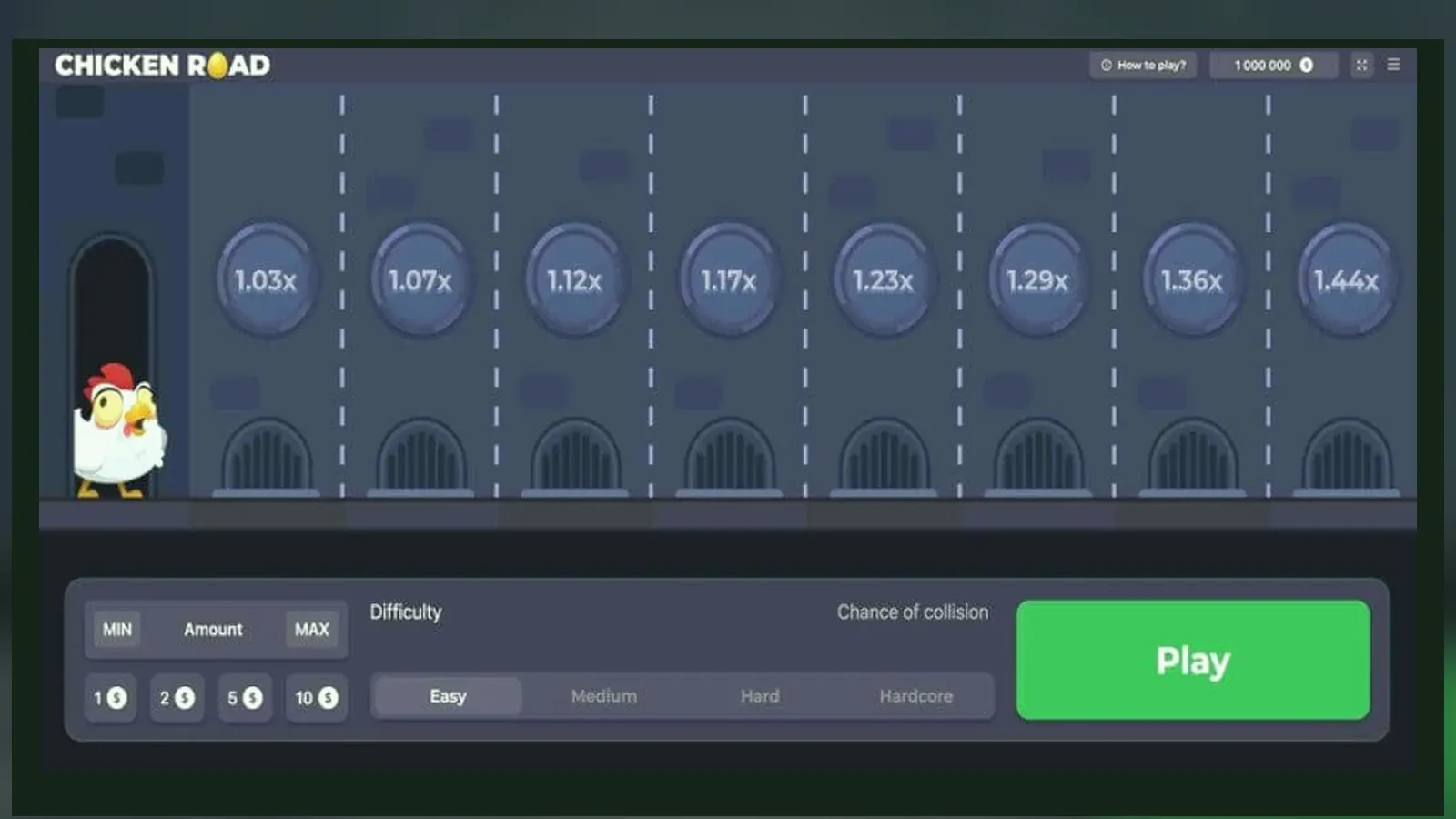
The £5.00 stake cap applies to every spin or round on a UKGC-licensed slot, and most operators extend it to crash games because the regulator hasn't published separate guidance. In practice, you'll see a £5.00 maximum bet input when you load Chicken Road 2—some sites enforce £2.00 if you're 18–24, based on your registered date of birth. You can't bypass this by opening multiple tabs or switching devices; the cap is tied to your account.
Bonus contribution: crash games typically count at 5–20% towards rollover, or they're excluded entirely. A £100 deposit bonus with a 40× rollover and 10% crash contribution means you'd need to wager £40,000 on Chicken Road 2 to clear it (£100 × 40 ÷ 0.10). Slots count at 100%, so most players chase the rollover on slots then switch to crash games with cleared funds.
Availability: not every UKGC operator lists Chicken Road 2 yet. The game launched in mid-2026, and smaller or slower-moving sites haven't added it to their lobbies. Check the provider's game list on the site or search the lobby by exact name before you deposit.
Common Mistakes That Cost Time or Lock Accounts
- Registering with a nickname or old address: the electoral-roll check fails, you upload ID, and it doesn't match. Customer support then asks for proof of name change (deed poll, marriage certificate) or updated address documents. This adds three to five days before you can deposit.
- Depositing from someone else's card or PayPal: the first withdrawal triggers a payment-method verification request, the name doesn't match, and the operator freezes your balance until you re-deposit from your own method. Winnings are safe, but you can't access them until the mismatch is resolved.
- Ignoring the deposit-limit prompt: some players skip it thinking they can set it later, but the site defaults to a £500 weekly cap. You deposit £200, play through it, deposit another £350 the same week, and hit the cap—no more deposits until the week resets.
- Chasing affordability thresholds with rapid deposits: you hit £150 net in week one, get a soft-check email, ignore it because you haven't been blocked yet, then deposit another £400 the next week. The operator escalates to a full affordability review, requests payslips, and suspends deposits until you comply. Your balance is withdrawable, but you can't play.
- Expecting same-day withdrawals before KYC: the site says «e-wallets in hours», but your first payout waits 48 hours for document approval. After that, payouts are fast—but the initial wait catches people off guard.
- Assuming stake caps don't apply to crash games: they do. You load Chicken Road 2, try to bet £10.00, and the input field caps at £5.00. No amount of clearing cache or switching browsers changes this; it's enforced server-side.
The last mistake is strategic: treating GAMSTOP as reversible. One registration blocks every UKGC site for six months (minimum) to five years, and there's no emergency unlock. If you self-exclude in frustration after a losing streak, you can't register at another operator the next day. GAMSTOP applies across the entire regulated market.
FAQ
Can I play Chicken Road 2 for free to test it before depositing?
Demo play exists on some UKGC sites, but many restrict it to logged-in, age-verified accounts—so you'll register and pass the electoral-roll check first, then access free play. A few operators skip demos for crash games entirely because the RNG is live-server-dependent. If demo mode is a dealbreaker, check the lobby before you register or ask live chat.
What happens to my balance if I hit the affordability threshold mid-session?
Your existing balance stays playable, and you can withdraw it any time. The block applies only to new deposits. If you ignore the soft-check email or don't submit the requested documents within the operator's deadline (usually 28 days), deposits remain locked, but your winnings and remaining balance are always withdrawable. The regulator prohibits operators from holding funds hostage during affordability reviews.
Do I pay tax on winnings, and does the operator report them to HMRC?
Gambling winnings are tax-free for players in the UK; you keep every penny. Operators pay a 40% Remote Gaming Duty (raised from 21% in April 2026), but that's their cost, not yours. The operator doesn't report your winnings to HMRC, and you don't declare them on a tax return—whether you win £50 or £50,000.
Why does my first withdrawal take three days when the site says same-day payouts?
Same-day timing applies after your account is fully verified. The first withdrawal triggers a KYC document review—proof of address, ID scan, sometimes a selfie—that takes 24 to 48 hours. Once approved, subsequent withdrawals hit the stated speed (hours for e-wallets, a day or two for Faster Payments, up to three days for debit-card refunds). This is standard across all UKGC operators, not a stalling tactic.