What You're Actually Playing: Provider, Numbers, and the Real Mechanics
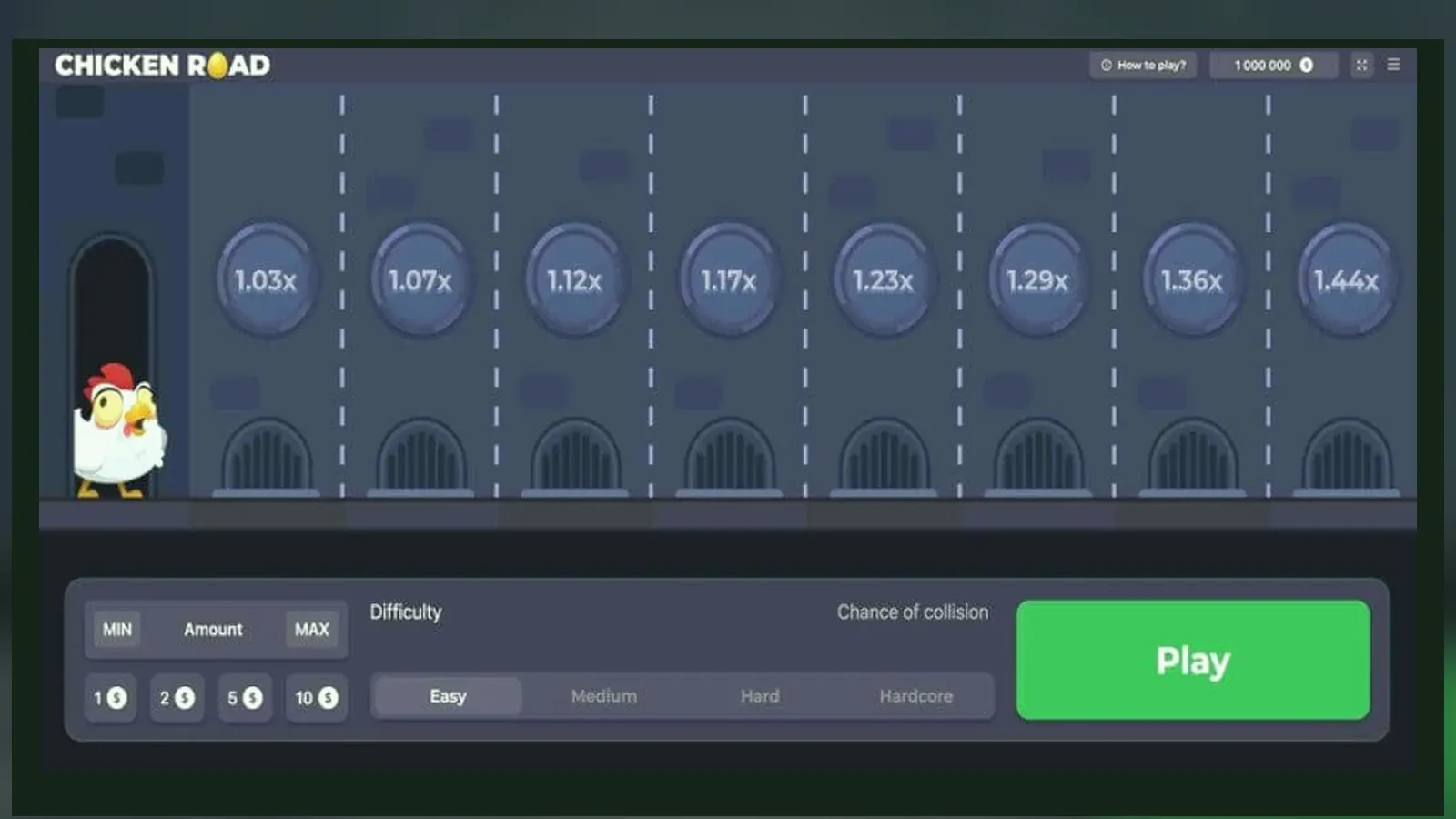
Let's clear up what goes wrong first. Players land on a site, see «Chicken Road 2», tap Play, and assume it's the real thing. Sometimes it is. Sometimes it's a reskin with different maths, no certification, and a payout structure that doesn't match. The name stays the same, the colours shift, and you won't know until you check the provider tag in the corner or the paytable in the rules.
This page walks through the original: who certified it, how a round actually runs, what the numbers mean, and how to confirm you're not playing a knock-off. It's built for players in the United Kingdom, so stake caps, withdrawal times, and licence checks reflect what applies here under the UKGC.
Who Built It and Where the Certification Sits
The original Chicken Road 2 comes from a studio that holds a gaming certificate issued by a recognised testing lab—usually iTech Labs, eCOGRA, or GLI. The certificate number lives in the game's info panel, accessible through the menu icon in the bottom corner. That certificate confirms the RNG has been audited and the RTP matches the published figure.
The provider name appears in two places: the loading screen and the paytable. If those two don't match, or if there's no provider logo at all, you're likely on a clone. Clones circulate because the concept isn't trademarked in every jurisdiction, so smaller studios rebuild the mechanics under a licensed shell and deploy it through white-label platforms.
For players in the UK, the game runs on a casino that holds a remote licence from the UKGC. The licence number sits in the footer of every page. You can check it against the public register on the Gambling Commission's site. If the operator isn't listed, the site is illegal to use here, and you have no recourse if something goes sideways.
How a Round Actually Works from the Player's Seat
You pick a stake between £0.10 and £5.00—stakes above £5.00 per spin are blocked on UKGC sites, and players aged 18–24 face a £2.00 cap. You tap Start, and a 5×5 grid appears. Each tile hides either a diamond (safe) or a bomb (ends the round). Your job is to reveal tiles one by one, building a multiplier with every safe pick.
Before the round begins, you choose a difficulty: fewer bombs mean lower multipliers per tile, more bombs mean higher multipliers but a greater chance of hitting one early. The game doesn't let you switch difficulty mid-round. Once you've picked a tile, the outcome is locked—the RNG decided the grid layout the moment you tapped Start.
- You select your stake and difficulty level.
- The RNG generates a grid with a fixed number of bombs based on your choice.
- You reveal tiles. Each safe tile adds to your multiplier.
- You cash out manually, or hit a bomb and lose the round stake.
- Winnings go to your casino balance; withdrawals follow the site's KYC and processing times.
There's no skill override. The grid is set before you touch anything. What looks like strategy is actually risk tolerance—how far you're willing to push before you cash out.
The Real Numbers from the Technical Sheet
High volatility means long stretches without a cashout, punctuated by occasional big multipliers. The 10,000× cap is theoretical—it requires clearing the grid on the hardest difficulty without hitting a bomb. The practical win ceiling sits much lower for most sessions.
RTP shifts with difficulty. Fewer bombs push RTP toward 97%, but multipliers per tile drop. More bombs lower RTP to around 95%, but each safe reveal pays more. The house edge is baked into every configuration, and no pattern or timing trick changes it.
Mechanics Breakdown: What Each Element Does
The grid is the core. Twenty-five tiles, some safe, some not. The number of bombs depends on your difficulty selection before the round starts. On low difficulty, you might face three bombs. On high, it could be twelve. The more bombs, the steeper the multiplier climb.
The multiplier ladder runs down the side of the screen. Each safe tile you reveal moves you up one step. The ladder's slope changes with difficulty—on low, the first few tiles might add 1.1× each; on high, the first safe pick could jump you to 1.5× immediately. The ladder is fixed per difficulty, so you know the payout structure before you start.
- Cashout button: tap it any time after the first safe reveal. Your stake multiplies by the current ladder value, and the round ends.
- Bomb reveal: if you pick a tile hiding a bomb, the round ends instantly. You lose the stake.
- Auto-pick: some versions let you pick multiple tiles in one go, but the outcome doesn't change—the grid was set at the start.
- Provably fair hash: the original includes a hash string you can verify after the round, confirming the grid wasn't altered mid-play.
The provably fair system matters because it lets you check the server didn't cheat. You get a hash before the round and a seed after. Plug both into the verification tool, and it reconstructs the grid. If the result matches what you saw, the RNG was honest. Clones often skip this feature.
Clones in Circulation and How They Differ
At least six studios have released their own version of Chicken Road 2 over the past eighteen months. Some are legitimate reworks with their own certification. Others are reskins with no audit trail, deployed through unlicensed aggregators. The differences show up in three places: the paytable, the RTP, and the absence of a provably fair toggle.
| Element | Original | Common Clone Traits |
|---|---|---|
| Provider Logo | Visible on load and in menu | Missing or generic |
| Certification | Certificate number in info panel | No certificate listed |
| RTP | 95%–97%, stated in rules | Not disclosed or inflated claim |
| Provably Fair | Hash + seed verification available | Absent |
| Max Win | 10,000× stake | Often capped lower or not stated |
Clones aren't always scams, but they're unregulated wildcards. If the site doesn't list a UKGC licence number in the footer, you're outside the legal framework. That means no GAMSTOP protection, no affordability checks, no recourse if a withdrawal doesn't arrive. For players in the UK, the clone question isn't about quality—it's about whether the site is legal to use here.
Ten-Second Check That You're on the Original
- Open the game and look for the provider name on the loading screen.
- Tap the menu icon (usually bottom-left or bottom-right) and open the info or rules section.
- Scroll to the certification block. You should see a testing-lab logo and a certificate number.
- Check the paytable. The multiplier ladder should list exact values for each difficulty level.
- Verify the site's UKGC licence number in the footer. Cross-check it on the Gambling Commission register.
- Look for a provably fair or game fairness section. The original includes hash verification; most clones don't.
If any of those steps comes up blank—no provider, no certificate, no licence check—you're not on the original, or you're on a site that shouldn't be serving UK players. Either way, it's a signal to back out.
FAQ
Can I play Chicken Road 2 for free before I deposit?
Demo mode is common on UKGC-licensed sites, but most operators restrict free play to logged-in, age-verified accounts. You'll need to register and pass the initial ID check—usually a few minutes—before the demo unlocks. Once you're verified, the demo runs with virtual credits and mirrors the real-money version, minus the cashout.
Why does my stake get capped at £2.00 when I try to bet more?
Players aged 18–24 face a £2.00 stake cap per spin on slots and equivalent games under UKGC rules. Everyone else is capped at £5.00. The cap applies per round, not per session. If you're seeing a £2.00 limit and you're over 25, contact the casino—it might be a verification issue with your account age.
How do I know the game isn't rigged against me?
The original Chicken Road 2 includes a provably fair system. After each round, you can request the server seed and hash, then verify them in the fairness tool (usually linked in the game menu). This reconstructs the grid and confirms the outcome matched the pre-set RNG result. If the hash checks out, the server didn't alter the grid mid-round. Clones often skip this feature, which is one way to tell them apart.
What's the actual difference between difficulty levels?
Difficulty changes the number of bombs on the grid and the multiplier ladder. Low difficulty might place three bombs, so your odds of hitting one early are lower, but each safe tile adds a smaller multiplier—maybe 1.1× per step. High difficulty could put twelve bombs on the grid, giving you a much steeper ladder—first safe tile might jump you to 1.5×—but the chances of hitting a bomb before you cash out are far higher. RTP shifts slightly, but volatility is the real difference.
Can I withdraw winnings the same day, or is there a delay?
First withdrawals take longer because the casino runs KYC checks—documents, address proof, sometimes a source-of-funds query if you've deposited more than £150 in a month. That process usually takes 24–48 hours. Once you're verified, e-wallet withdrawals clear in a few hours, Faster Payments to your bank take same-day to two working days, and debit card withdrawals take one to three working days. Subsequent withdrawals are faster, but the first one is always the slowest.
Where can I play the original if I'm in the UK?
Look for casinos that list the provider name in their game library and hold a UKGC licence. The licence number sits in the footer of every page—check it against the public register on the Gambling Commission's site. If the operator isn't listed, the site is illegal to use here. GAMSTOP covers all licensed operators, so if you've registered for self-exclusion, the original won't be accessible on any legal UK site during your block period.